The Ultimate Beginner’s Guide to Solo Travel: How to Plan Your First Trip
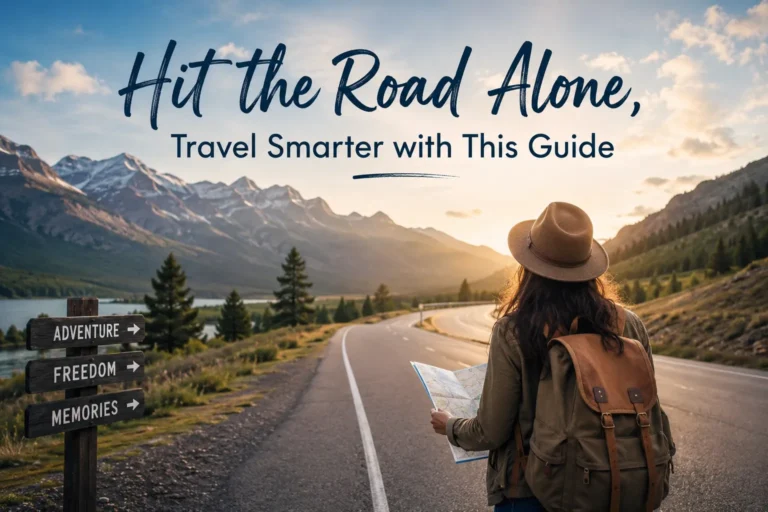
Travelling is an experience that shapes you in a way that is distinctive from any other experience, particularly when you travel alone for the first time. Solo travelling has gained popularity in recent years due to its thrilling nature. The travelers rely solely on their own schedules, without compromising their decisions. Travelling in this way is a transformative experience. But it can be terrifying too, if the traveler is not prepared well.
With the right preparation, solo trips can not only be exciting but also safe, without overwhelming the traveler. This guide will walk you through everything you need to know before you step into the world of travelling.
Travel changes you. As you move through this life and this world, you change things slightly, you leave marks behind, however small, and in return, life and travel leave marks on you.
– Anthony Bourdain
Is Solo Travelling Worth it?
Before understanding the logistics of solo travelling, we need to understand why many people avoid travelling alone. It places all the responsibility on the traveler; every decision and step can cause damage, which is why guiding oneself is extremely vital. But this responsibility also provides freedom. You can wake up whenever you want; experience different cafes as long as you like, and even change your plans on a whim.
Beyond freedom, solo travel anchors your confidence in ways that day-to-day life cannot provide you. Navigating an unfamiliar city, communicating in different languages, or even figuring out train and bus routes in a completely different environment builds you. Many solo travelers, after their first travels, look at themselves in a completely different light.
Travelling alone also provides an opportunity to meet more people; it forces you to open up to strangers, creating unforgettable bonds.
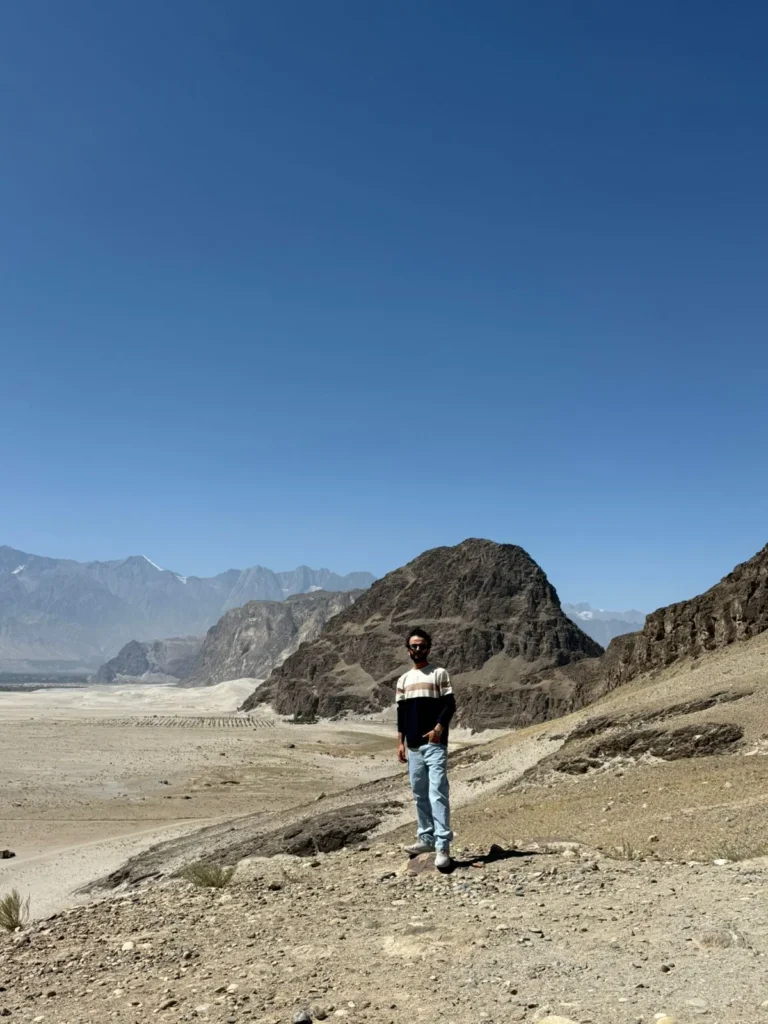
We get more authentic information from a solo traveler: @WildlensbyAbrar
Choosing the Right Destination for Your First Solo Trip.
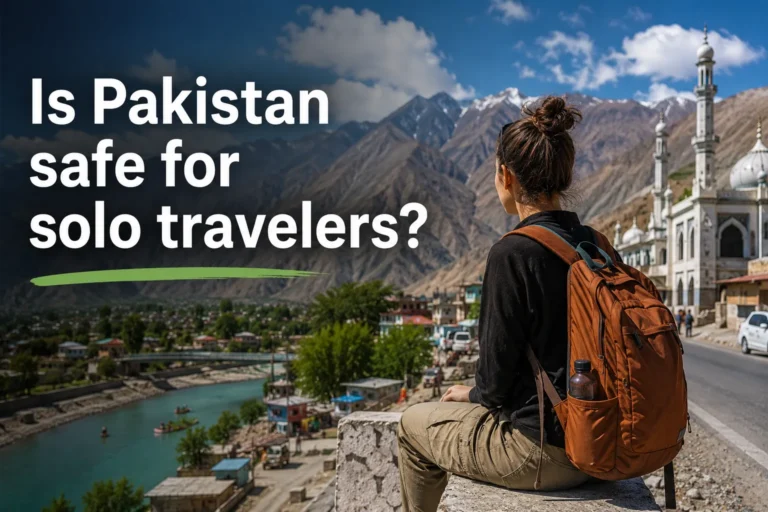
The first, most important decision for any first timer is the destination. Not every destination is suited for the first timer. When choosing where to go, consider three things: safety, easy navigation, and access to emergency centers. For first-timers, cities with well-developed tourism infrastructure are ideal. Places like Hunza, Skardu, Lahore, and Swat consistently provide a solo traveler-friendly environment. They offer affordable accommodation, reliable transport, and a welcoming culture from the locals.
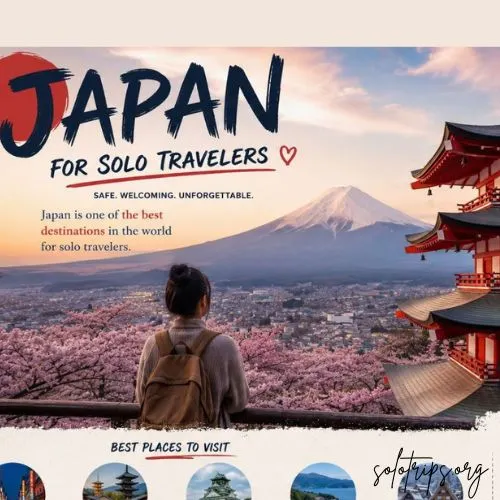
For international travels, picking a city similar to your own culture provides you with confidence to step into a completely foreign culture. For instance, a national of Pakistan must travel first in its neighboring countries, like India or Bangladesh, to gain experience for solo travelling.
The golden rule is to pick someplace that is thrilling but doesn’t intimidate you. It must be challenging, yet it doesn’t set you up for unnecessary stress.
Building Your Budget: How Much You Actually Need?
Budgeting your trip needs to be handled with the utmost care. It is quite straightforward once you divide into categories: accommodation, transport, food, activities, and emergency funds.
The biggest expense is accommodation. Usually, hostels are the budget traveler’s best friends. They are quite affordable, but also a space for socialization and bonding with other travelers. Usually, they are safe accommodations for males, but for females, it’s better to look into options, such as a guesthouse or affordable hotels. Most of the north offers Airbnb’s as well, providing security for female travelers.
For transport, researching the area before visiting is important to determine whether the area has reliable public transport. Travelling through local buses, metros, and local trains is much cheaper than taking taxis. For intra-city travelling, the local bus or train is the best option and provides night accommodation as well. ‘
Food is the category where travel becomes economical. Avoiding the tourist traps and opting for local markets, street stalls, and family-run restaurants is not only cheaper but also provides local ingredients. Enjoying food from such local places also provides you with stories that stay with you for a lifetime. Keep this rule in mind- Follow the locals for Food and experience.
Lastly, in your budget, always set aside 10 to 15 per cent of your total budget as an emergency fund. It can help with medical needs or any missed flight, saving you from unnecessary stress.
Developing the Mindset for Solo Travel
The logistics or researching part of the trip is important, but before it, mindset matters more. During the first solo travelling, embracing discomfort is important. It is part of the process to uproot yourself and gain confidence. Getting a bit lost, eating alone or constantly asking for directions, such moments feel awkward, yet they are empowering in retrospect. Every solo traveler has a story that begins with everything going wrong.
Open yourself to experiences, talk to the stranger beside you, and accept invitations from fellow travelers. Always try to say yes more than you say no. The best experience mostly comes from unplanned encounters with people.
And lastly, be patient with yourself. The first solo trip will not be perfect; something will definitely go wrong. That’s not a failure but an experience. It’s coming home knowing yourself a little better than when you left.